Unlock Playful Design with Doodle Hand Drawn Elements
Understanding the Visual Language of Doodle Typography
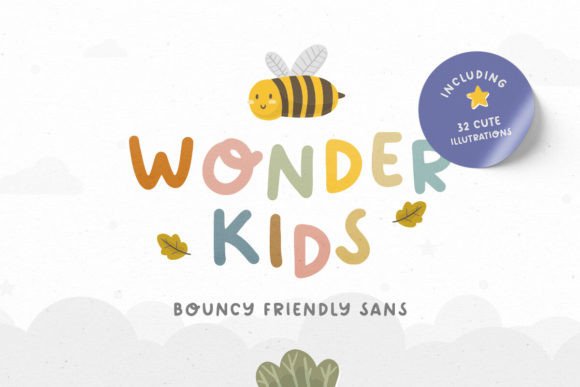
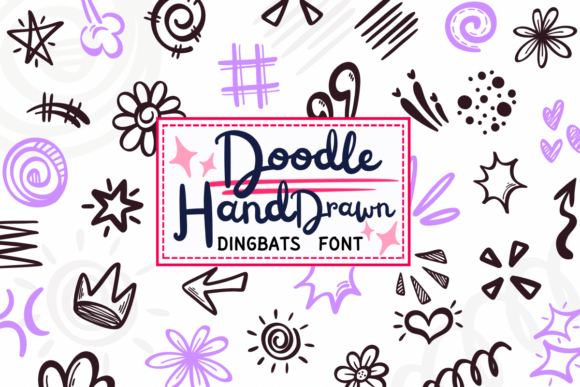
These elements are crafted to maintain a consistent, marker-like aesthetic, ensuring cohesion when used together. The range of illustrations often covers fundamental decorative needs:
- Sparkles & Stars: Simple five-pointed stars, energetic bursts, and twinkling effects for highlighting key information or adding celebratory flair.
- Arrows & Shapes: Playful directional arrows, zig-zags, squiggly lines, and spirals that guide the viewer's eye or create dynamic borders.
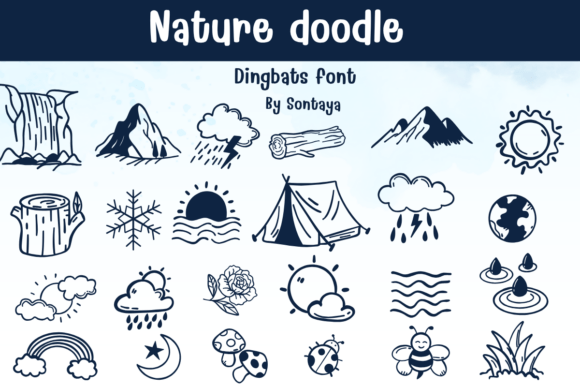
- Nature Motifs: Whimsical flowers, sun-like swirls, and leafy doodles that introduce organic, calming themes into a layout.
- Decorative Accents: Crowns, quotation marks, dots, hearts, scribbles, and comic-style emphasis lines perfect for editorial design and social media graphics.
Strategic Applications in Professional Projects
In practice, the Doodle Hand Drawn style finds its place across numerous design disciplines:
- Brand Identity & Marketing: Use doodle accents on business cards, letterheads, and promotional flyers to create a memorable, cohesive brand identity that stands out from competitors using generic clip art.
- Social Media & Digital Marketing: Enhance Instagram stories, Facebook posts, and Pinterest graphics with quick, eye-catching embellishments. These elements can increase engagement by making content feel more personal and less corporate.
- Editorial & Packaging Design: Break up dense text in magazines, blogs, or product packaging. A small doodle can act as a visual pause, improving readability and adding character to the overall user experience.
- UI/UX and Web Design: Thoughtfully applied doodle icons can soften the interface of apps or websites, particularly for lifestyle brands, educational platforms, or children's products, enhancing the visual hierarchy without compromising functionality.
Best Practices for Implementation and Evaluation
Evaluate any creative asset, including the Doodle Hand Drawn font, against your specific design goals. Does it improve communication? Does it align with the emotional tone of your brand? High-quality creative assets should enhance the visual hierarchy and support your message, not distract from it. By making intentional choices, designers can leverage these playful elements to produce work that is both aesthetically pleasing and functionally effective, ultimately elevating the quality of their creative projects.